
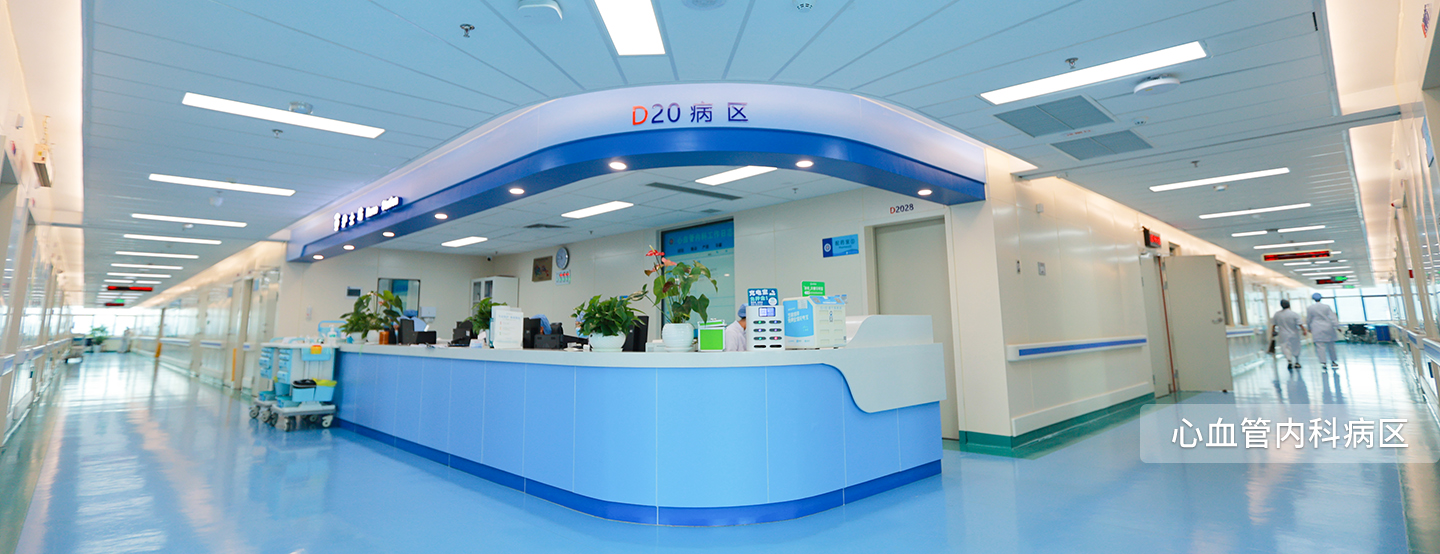

Shenzhen Bao'an District Shiyan People's Hospital, also known as the Bao'an Clinical Institute of Shantou University Medical College, is the Second People's Hospital of Shenzhen Bao'an People's Hospital (Group). Founded in 1954, it is a non-profit, district-affiliated public tertiary general hospital.

Bao'an Branch of the National Standardized Diabetes Prevention and Control Center (DPCC); National Chest Pain Center (Standard Version); National Stroke Prevention and Treatment Center; one of the first Neurointerventional Construction Centers; Western Branch of the Shenzhen Metabolic Disease Clinical Research Center; teaching hospital of Guangdong general higher medical colleges; Bao'an Clinical Institute of Shantou University Medical College; Population Medicine Practice Base of Shantou University Medical College; teaching hospital of Hunan University of Medicine; teaching hospital of the Medical College of Jiaying University; and grassroots practice base for standardized general-practice residency training of Shenzhen Third People's Hospital.
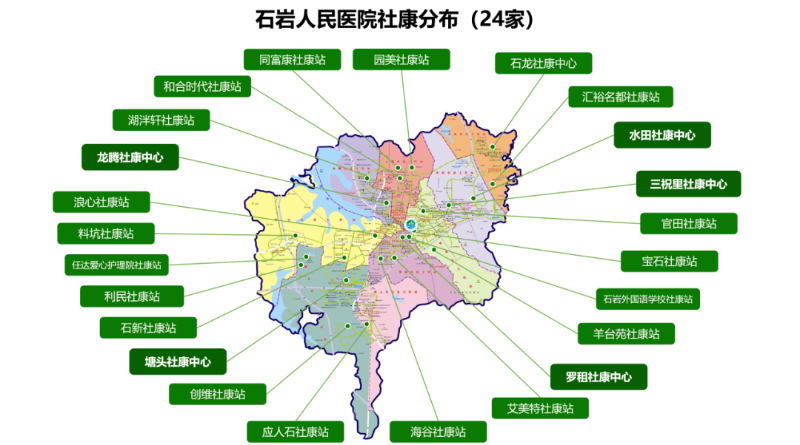
The hospital is located at No. 11 and No. 48, Jixiang Road, Shiyan Subdistrict, Bao'an District, Shenzhen. It covers an area of 19,000 square metres, has a total gross floor area of 108,000 square metres, has 800 planned beds, and has 24 community health service centres or stations under its administration.
It has 1,681 employees, including 234 staff with senior professional titles, 219 staff with master's or doctoral degrees, 14 doctoral degree holders, one doctoral supervisor and five master's supervisors. The hospital has 41 outpatient, emergency and other clinical departments, and 11 medical technology and auxiliary departments.


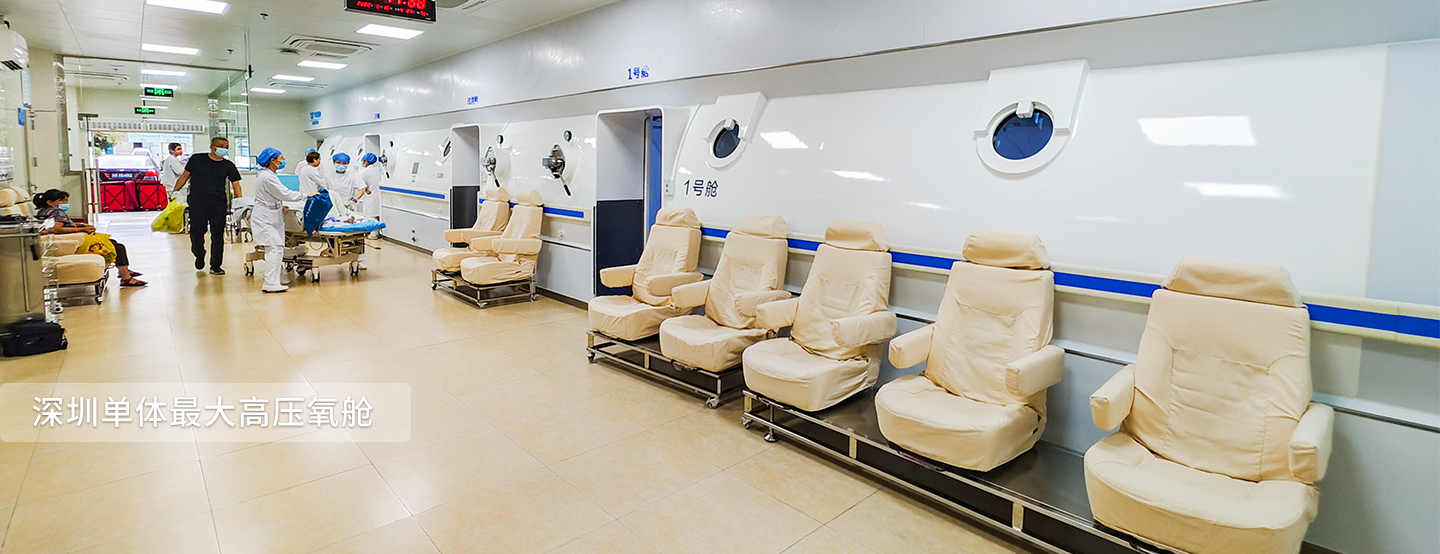
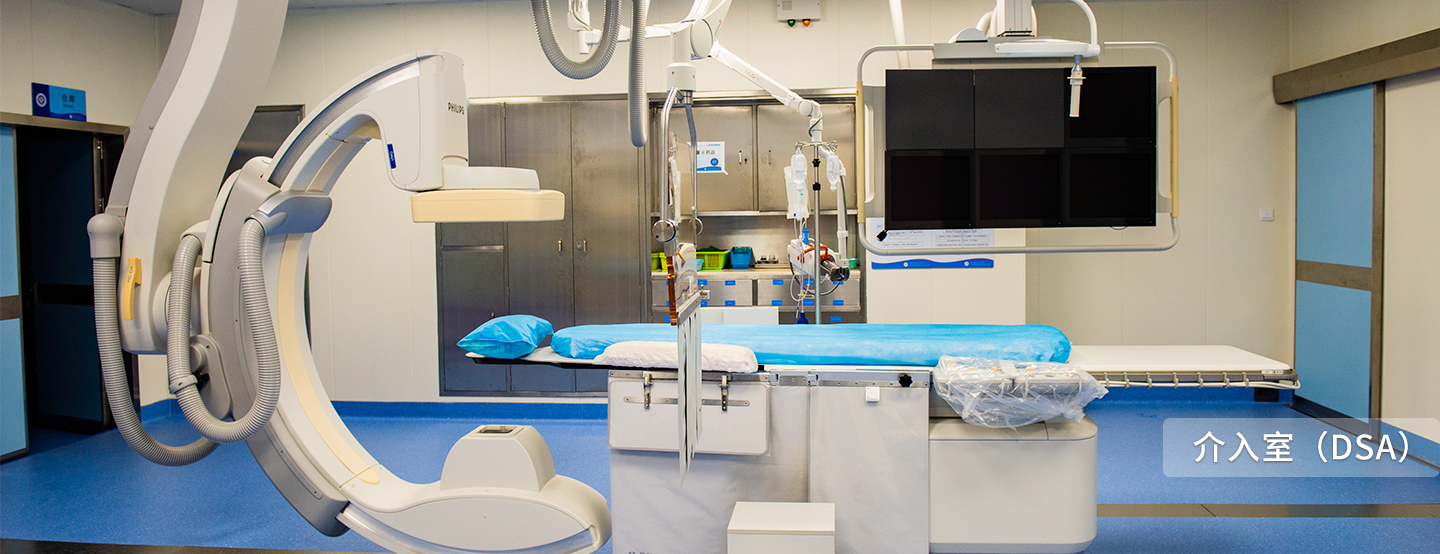
The hospital has advanced medical equipment including a 1.5T magnetic resonance imaging (MRI) system, a digital subtraction angiography (DSA) system, an automated clinical chemistry and immunoassay testing line, a 64-slice whole-body spiral CT scanner, a flat-panel digital radiography (DR) system, a hyperbaric oxygen chamber, four-dimensional colour Doppler ultrasonography, electronic gastroscopy and colonoscopy systems, laparoscopic systems, flexible ureteroscope systems, a flat-panel three-dimensional C-arm system and haemodialysis machines.


In addition to providing rescue and treatment for common, frequently occurring, emergency and critically ill conditions, the hospital performs procedures in urology, general surgery, neurosurgery, orthopaedic surgery, gynaecology, obstetrics, ophthalmology, stomatology, thoracic surgery and interventional medicine.
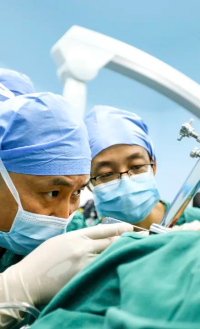
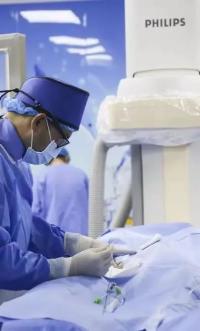
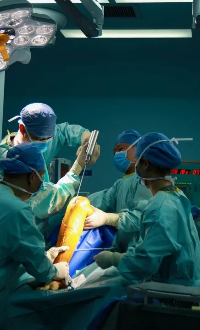
These include laparoscopic radical prostatectomy, partial nephrectomy for renal tumours, flexible ureteroscopic lithotripsy, percutaneous nephrolithotomy; hepatectomy, radical surgery for colon and rectal cancer, radical pancreaticoduodenectomy; radical mastectomy and endoscopic total thyroidectomy; cranial surgery, interventional embolization and craniotomy for aneurysms and arteriovenous malformations; repair of cardiac perforation; thoracoscopic pulmonary wedge resection and lung repair; and laparoscopic ovarian cystectomy and total hysterectomy.

The hospital also performs minimally invasive arthroscopic procedures; knee-preserving surgery using high tibial osteotomy (HTO); vascularized pedicled bone-flap grafting for conservative treatment of osteonecrosis of the femoral head; total hip replacement, bilateral knee replacement, reduction and internal fixation of traumatic pelvic fractures, internal fixation of multilevel traumatic thoracolumbar fractures, anterior spinal decompression with fracture reduction and internal fixation, replantation of amputated limbs or digits, correction of talipes equinovarus deformity; coronary stent implantation, coronary angioplasty, thrombus aspiration, and intracardiac electrophysiological study and radiofrequency ablation.

In recent years, with leadership and support from governments and health authorities at all levels, especially after the establishment of the Bao'an Hospital Group, and in line with the Group's strategy of homogenizing medical technology standards, all staff have worked together, leveraged the hospital's strengths and achieved rapid growth in all areas of operation.
Substantial progress has been made in medical technology, medical quality, service capacity, scientific research and education, and hospital management. The hospital has become a comprehensive hospital with regional advantages and influence.
