
Calcium is one of the most widely distributed elements in nature and the most abundant mineral in the human body. As an essential nutrient for fetal growth and development, calcium deficiency will easily lead to fetal developmental disorders.
Pregnant women have higher calcium demands than the general population. Calcium deficiency during pregnancy brings various harms to mothers, such as gastrocnemius spasm in the short term and osteoporosis in the long run.

Q: Do all pregnant women need calcium supplementation?
A: Yes, every pregnant woman needs calcium supplementation.

Pregnant women have unique calcium metabolism characteristics different from ordinary people. Calcium is actively transported from mothers to fetuses through the placenta, an indispensable process for fetal bone mineralization. If a pregnant woman lacks calcium, her body will draw calcium stored in bones to maintain normal blood calcium levels and meet the fetus’s bone development needs.
Insufficient calcium intake in expectant mothers will prompt the fetus to absorb calcium from the maternal skeleton, which may cause maternal osteoporosis.
Maternal calcium deficiency also results in fetal calcium shortage, triggering poor fetal bone and tooth development, intrauterine growth retardation, congenital rickets and hypocalcemic convulsions in newborns. Affected infants may suffer delayed teething, irregular tooth alignment, congenital laryngeal stridor, edema and weakened immune function.
Q: How to supplement calcium during pregnancy?
A: According to the Chinese Dietary Reference Intakes (2023 Edition), the recommended calcium intake for pregnant women is 800 mg per day. Priority should be given to obtaining adequate calcium from calcium-rich foods; calcium supplements can be taken if dietary intake fails to meet the standard.

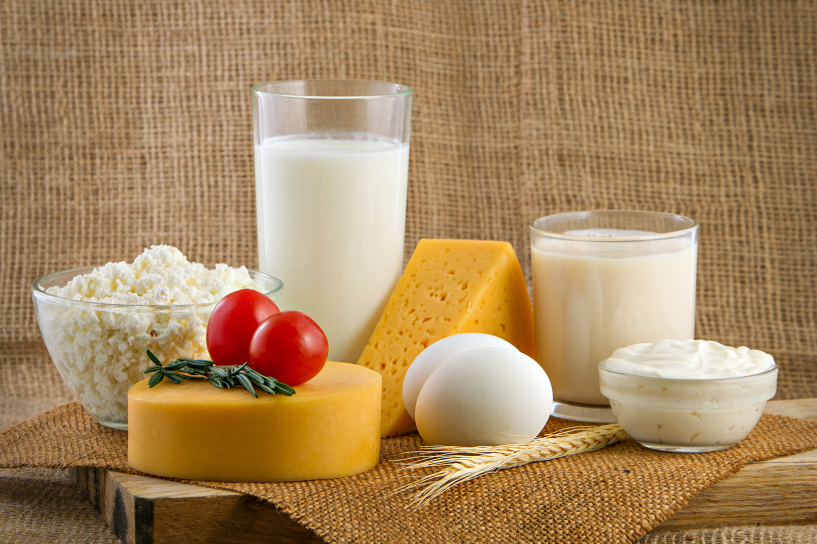
Foods are the optimal source of nutrients, so dietary calcium supplementation is the first choice, yet proper food selection matters. In terms of calcium content and absorption rate, milk and dairy products are the top dietary calcium sources. Soy products, fish, shrimp, shellfish and some dark green vegetables are also great calcium suppliers.
Pregnant women should maintain balanced diets and a regular milk-drinking habit, consuming 300–500 grams of dairy products (milk, cheese, low-sugar or sugar-free yogurt) daily. Those with lactose intolerance to regular milk may choose low-lactose yogurt, lactose-free milk or milk powder, paired with frequent intake of soy products (soft tofu, firm tofu, dried tofu, tofu skin), fish, shrimp and shellfish. This combination can fully supply the required 800 mg of calcium through natural diet.
Q: Common misconceptions about calcium supplementation in pregnancy
Misconception 1: The more calcium you take, the better
Calcium supplementation is vital, yet excessive intake carries risks. The tolerable upper intake level of calcium is 2000 mg per day. Overconsumption raises risks of kidney stones and cardiovascular diseases, and may also trigger hypercalcemia, hypercalciuria, vascular and soft tissue calcification, milk-alkali syndrome, impaired absorption of iron, zinc and other metal ions, and constipation.

Misconception 2: Leg cramps in pregnancy are solely caused by calcium deficiency
Calcium shortage is the leading cause of gestational leg cramps, but not the only trigger. Excessive meat intake can also induce cramps. Meat is high in protein; overconsumption disrupts carbohydrate metabolism, causes accumulation of acidic metabolites and electrolyte imbalance, of which leg cramp is a typical symptom.
Thus pregnant women should keep balanced diets with moderate food portions. Besides, overfatigue, improper sleeping postures and cold exposure may also lead to leg cramps.

Misconception 3: Calcium supplements make the fetal skull too hard for vaginal delivery
Severe calcium deficiency softens the fetal skull, while extra calcium intake will not harden the fetal head to obstruct delivery, so there is no need to worry about difficult labor caused by a hard fetal skull or large biparietal diameter. Unlike adults, fetal cranial sutures remain unfused. Under extrusion in the birth canal, cranial sutures overlap to reduce biparietal diameter for smooth vaginal delivery. Newborns delivered vaginally usually have an elongated head that gradually rounds out within a few days.
Disclaimer
Some images in this article are sourced from the Internet for public welfare publicity. Gratitude is extended to the image authors. Please leave a message for removal if any copyright infringement exists.