
June 9 to 15, 2025 marks China’s first Senior Fall Prevention Publicity Week.
Falls constitute a major global public health concern and one of the leading health hazards for elderly Chinese residents.
In China, falls rank first among all injuries that send seniors to medical facilities, and are also the top cause of injury-related death for people aged 65 and above.
01
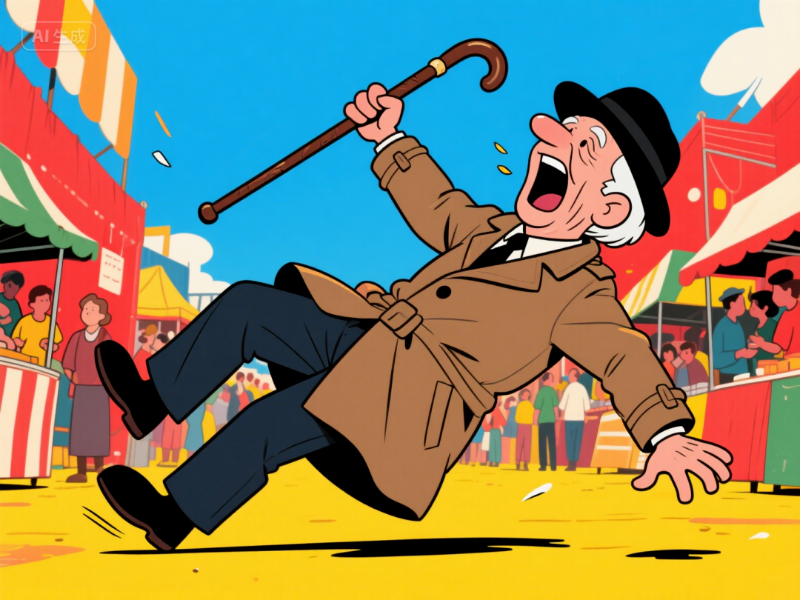
What Is a Fall?
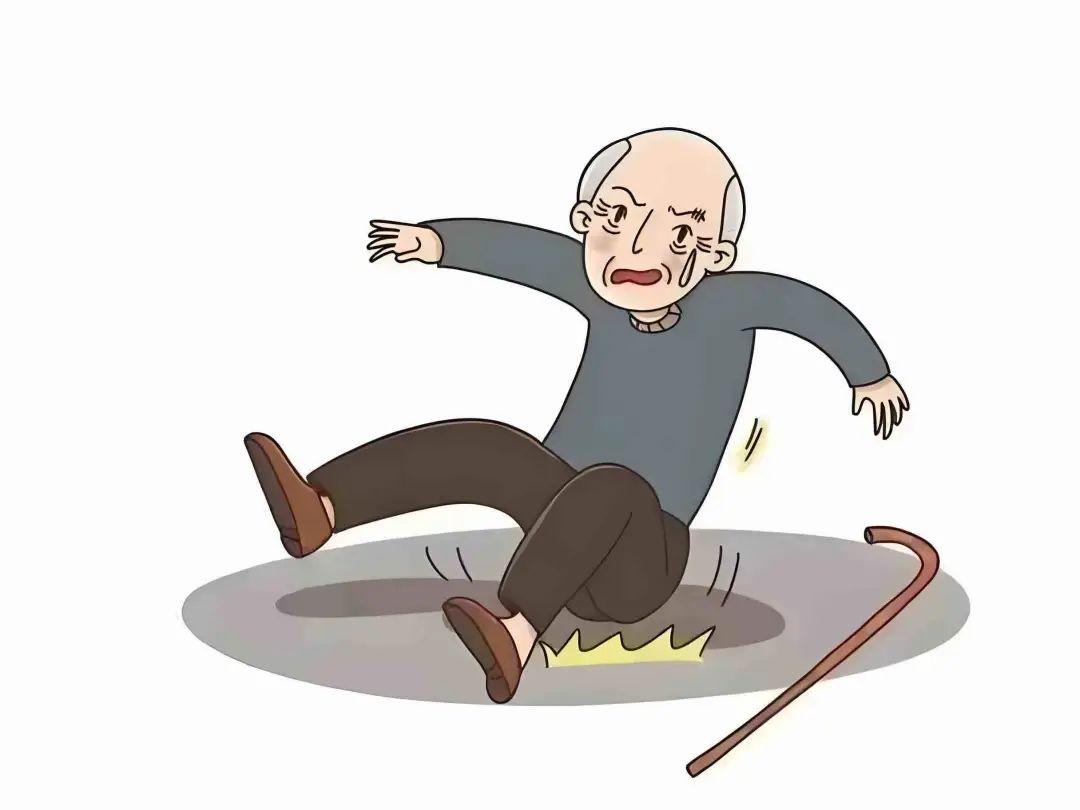
A fall refers to an abrupt, involuntary and unintentional shift of body posture, resulting in the body landing on the ground or any lower horizontal surface.
02
Why Are Seniors Prone to Falls?
Falls among the elderly stem from the combined effect of internal and external risk factors.
Internal Factors
Physiological Factors
- Aging: Advancing age brings weaker lower-limb muscle strength, deteriorated balance, unsteady gait, impaired eyesight and reduced discrimination, all raising fall risks.
- Musculoskeletal degeneration: Weak leg muscles fail to provide adequate support during walking, easily leading to loss of balance. Low bone mineral density and osteoporosis drastically increase fracture risk once a fall occurs.
- Degenerative nervous system: Slower reflexes delay responses to uneven ground or obstacles, leaving insufficient time to adjust gait and posture.
Disease Factors
- Neurological illnesses: Parkinson’s disease causes limb tremors, muscle rigidity and bradykinesia, leading to unsteady walking. Stroke sequelae damage limb coordination and balance.
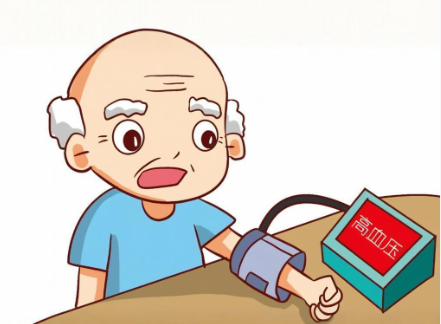
- Cardiovascular diseases: Arrhythmia, orthostatic hypotension and other conditions trigger dizziness and blackouts, especially when changing body positions abruptly.
- Other illnesses: Diabetic peripheral neuropathy or hypoglycemia cause abnormal gait or sudden fainting. Arthritis, lumbar disc herniation and other bone-joint disorders impair mobility.
Medication Factors
The following medicines may induce dizziness, fatigue and raise fall risks:
1. Nervous system drugs: sedative-hypnotics, antidepressants, anxiolytics, antihistamines, antipsychotics, anesthetics and muscle relaxants;
2. Drugs causing hypovolemia or orthostatic hypotension: diuretics, laxatives and vasodilators;
3. Sulfonylurea hypoglycemic agents that trigger hypoglycemia.
Psychological Factors
Anxiety, depression and other mood disorders weaken concentration and environmental risk judgment, causing distraction while walking.
Some seniors overestimate their physical capacity out of a refusal to admit aging and attempt strenuous tasks beyond their ability, which easily lead to falls.
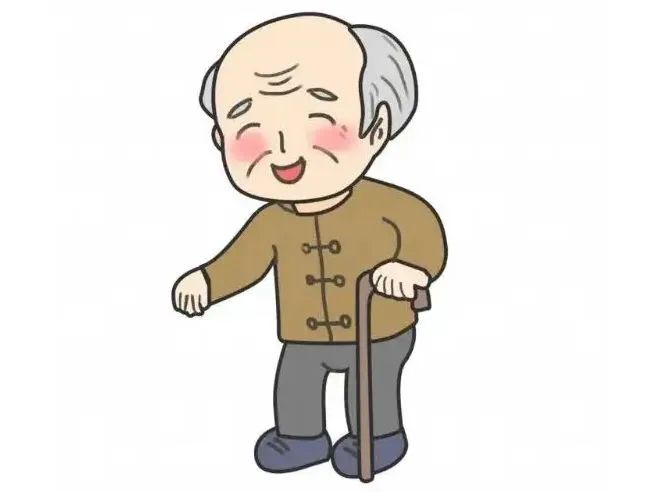
External Factors
Household Environment
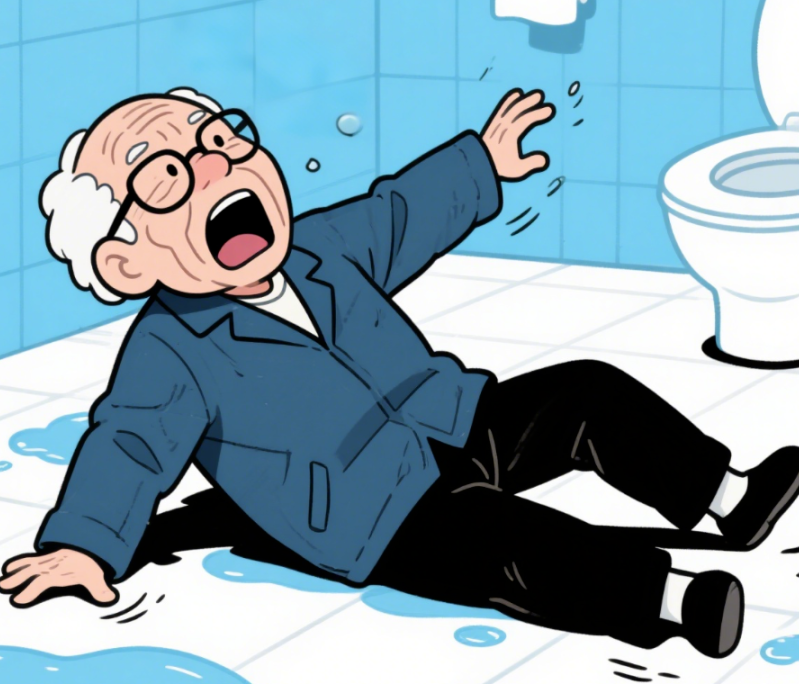
Slippery, uneven floors, unsecured small carpets and cluttered walkways;
Over-high, narrow thresholds, steps and staircases, poor lighting;
Over-low seats and toilets without grab bars.
Outdoor Environment
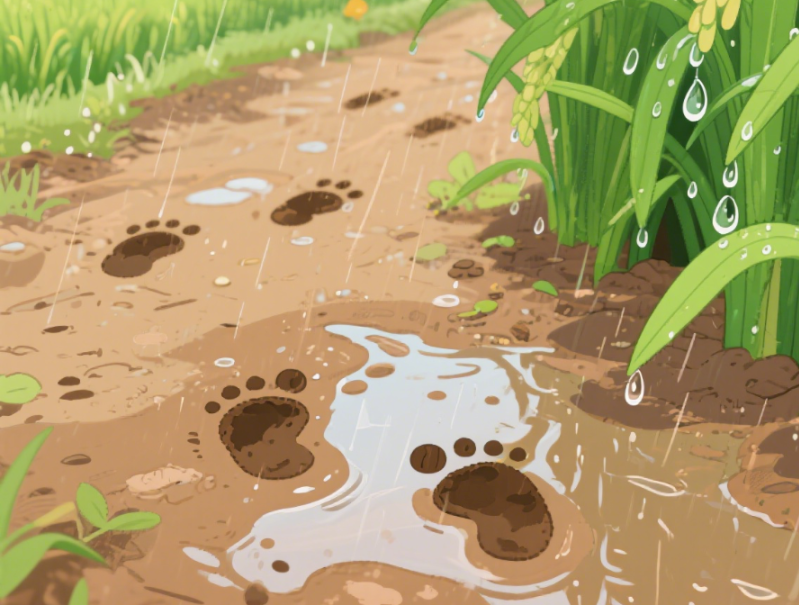
Potholed, snow-covered or icy roads, sidewalks without ramps, loose stair railings;
Blurred vision in rainy weather, limited mobility in strong winds, heatstroke in high temperatures.
Clothing & Footwear
Ill-fitting shoes with overly thick, soft or slippery soles; overly long and loose clothing that hinders movement.
Social Factors
Living alone and social isolation mean no timely assistance in emergencies, amplifying fall hazards.
03
The "1-2-3-4" Fall Prevention Action Plan
Seniors should hold the confident mindset of "I Can Stay Fall-Free". The "1-2-3-4 Action Plan" (1 fall risk screening test, 2 functional training moves, 3 key home renovation zones, 4 healthy daily habits) effectively prevents falls.
1
Fall Risk Screening Test
Record the time (in seconds) taken to walk 4 meters at normal pace. A result of 5 seconds or longer signals elevated fall risk.
2
Functional Training Moves
Single-leg standing and sit-to-stand exercises improve balance and leg muscle strength.
Tai Chi, Baduanjin, brisk walking and jogging are also highly beneficial for fall prevention. Persist in scientific, regular exercise under safe conditions to cut fall chances.
3
Key Home Renovation Zones
Yards, bedrooms and bathrooms are where falls most frequently happen. Age-friendly upgrades targeting these three areas greatly boost household safety.
4
Healthy Daily Habits
1. Act within personal limits; avoid overexertion, climbing for high objects and labor beyond physical capacity.
2. Slow down all movements; stay calm and take things gently.
3. Accept and regularly use age-friendly assistive devices such as canes, shower stools and prescription glasses.
4. Maintain full focus when walking, doing housework or exercising; avoid distracted multitasking.
Falls pose severe health threats to the elderly, making prevention critical. With proper precautions, seniors can significantly lower fall risks, protect themselves and stay away from injuries.