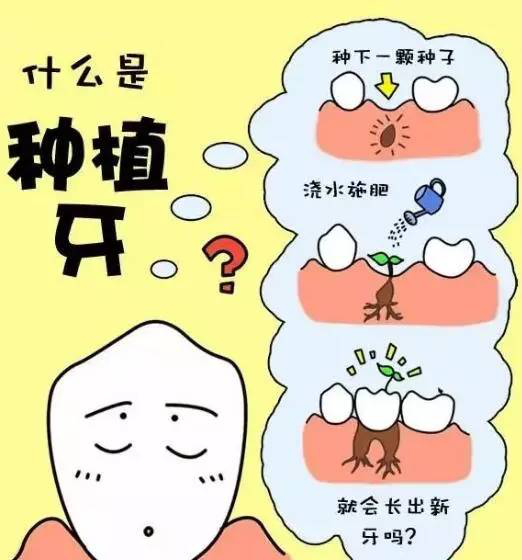
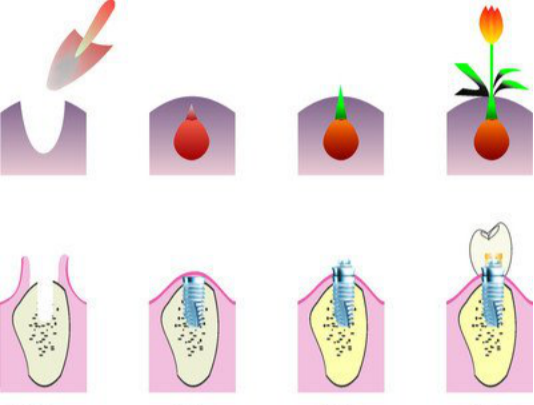
During a routine clinic consultation, a patient asked me: “Doctor, do you put a seed into the bone so a new tooth grows out?”
This question really made me smile, so today I’ll give a full breakdown of dental implants.

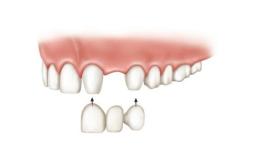
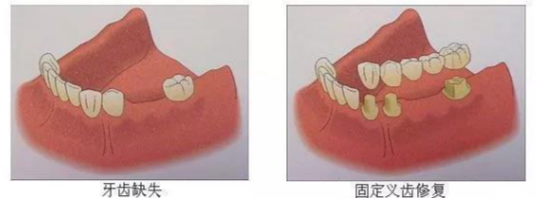
This is the traditional crown bridge restoration most people know.
Dentists grind down healthy tooth tissue on the two natural teeth adjacent to the missing space, then attach porcelain or all-ceramic crowns as a connecting bridge.
Disadvantages: Healthy natural teeth are permanently damaged, and the ground tooth structure cannot regenerate.
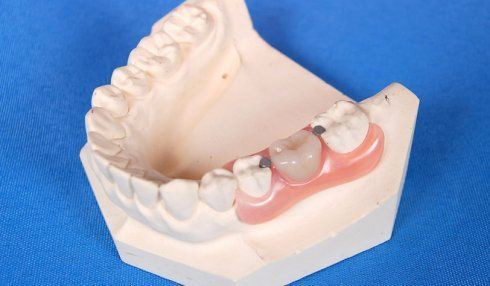
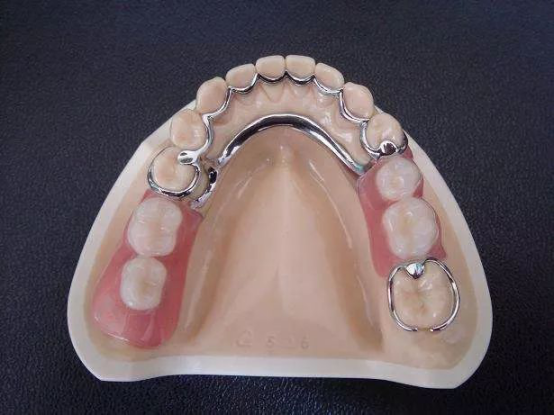
They are fixed via metal clasps hooked onto surrounding teeth; minor trimming of natural teeth may be needed to create support rests if required.
Disadvantages: Must be taken out and cleaned daily, causing inconvenience. Larger edentulous areas bring stronger foreign-body sensation and may affect pronunciation.
Contrary to popular misunderstanding, implants do not rely on “seeds” to grow new teeth, nor do we transplant real natural teeth into bone for regrowth.
The procedure works by surgically embedding a titanium implant fixture (artificial tooth root) into the alveolar bone of the missing tooth site. After osseointegration forms between the fixture and jawbone, a customized prosthetic crown is attached on top.
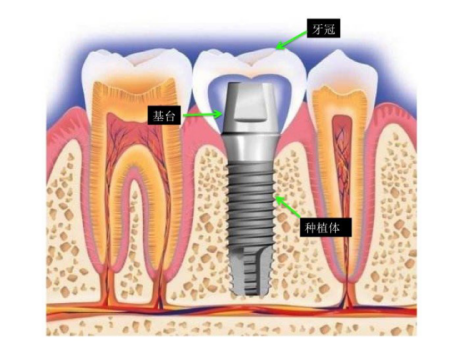
Advantages: Greatly restores chewing function with a natural, comfortable feel. It solves complex restorative cases that ordinary dentures cannot handle, mimicking natural teeth closely, making it the most popular restoration option nowadays.
Disadvantage: Higher cost compared to bridges and removable dentures.

Implant surgery is a minor outpatient procedure similar to tooth extraction, with mature clinical techniques.
Suitable candidates meet the following criteria:
No uncontrolled severe hypertension, diabetes, heart disease, severe blood or endocrine disorders;
Good oral hygiene, healthy oral soft tissue and normal occlusion;
Age ≥ 18 years old (no upper age limit).
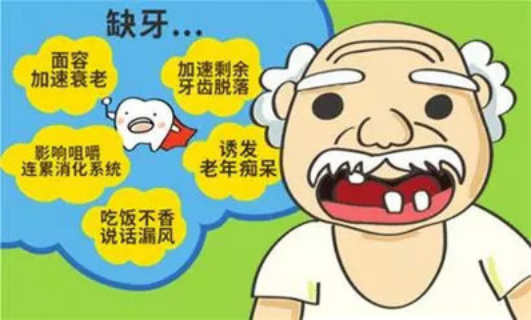

The whole treatment is divided into three phases: pre-operative preparation, fixture implantation surgery, and final prosthetic restoration.
Patients can attend for scans and intraoral checks around 3 months after tooth extraction, when alveolar bone resorption stabilizes.
Required examinations: panoramic radiograph, jaw CT, blood tests. Treatment complexity varies based on individual bone conditions; surgical guides may be custom-fabricated for some cases. This stage takes several days.
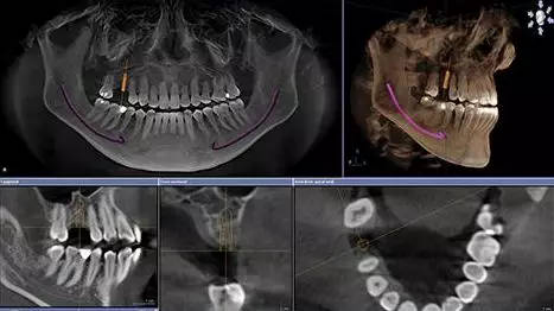
Once eligibility is confirmed, the surgery is scheduled.
Under local anesthesia in the clinic operating room, the implant fixture is inserted into the alveolar bone, followed by wound suturing. The operation lasts roughly 30–40 minutes, with stitches removed 2 weeks post-surgery.
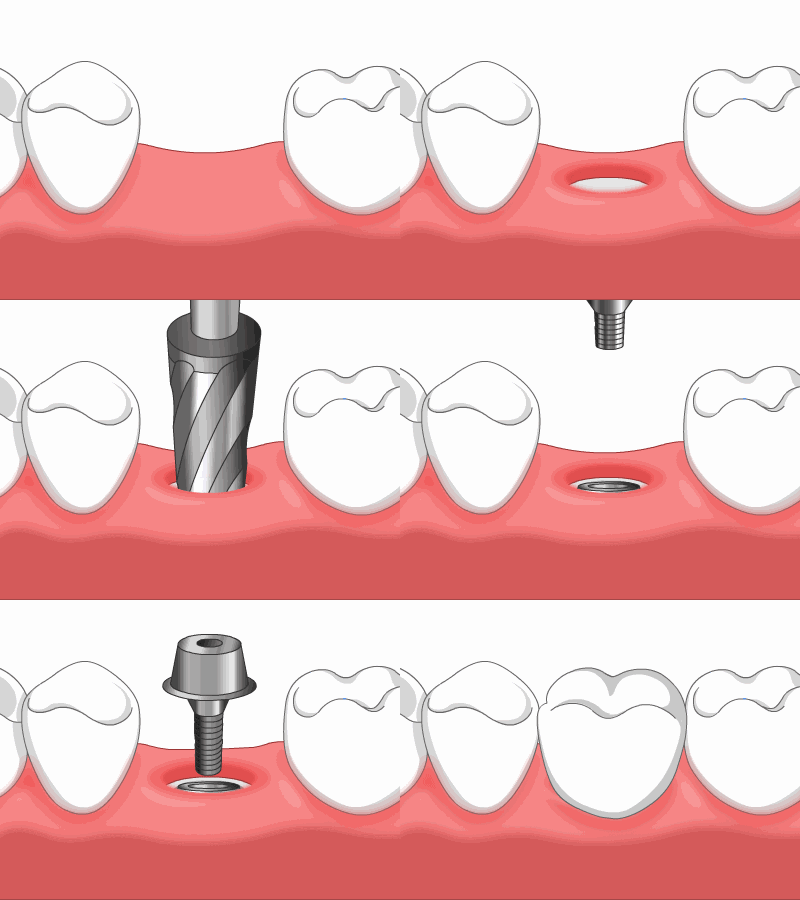
If the patient wears removable dentures, they can only reuse them after full wound healing, with the denture base adjusted and buffered to avoid irritation.
After fixture placement, a waiting period of 3–6 months is required for full osseointegration between the fixture and jawbone. A minor second-stage uncovering surgery is then performed, followed by dental impression taking, fabrication of the upper crown structure and fitting. This phase takes around 2–3 weeks.

Getting implant crowns fitted does not mean permanent maintenance-free use. Routine review visits every 3–6 months are mandatory.
Daily oral care requirements:
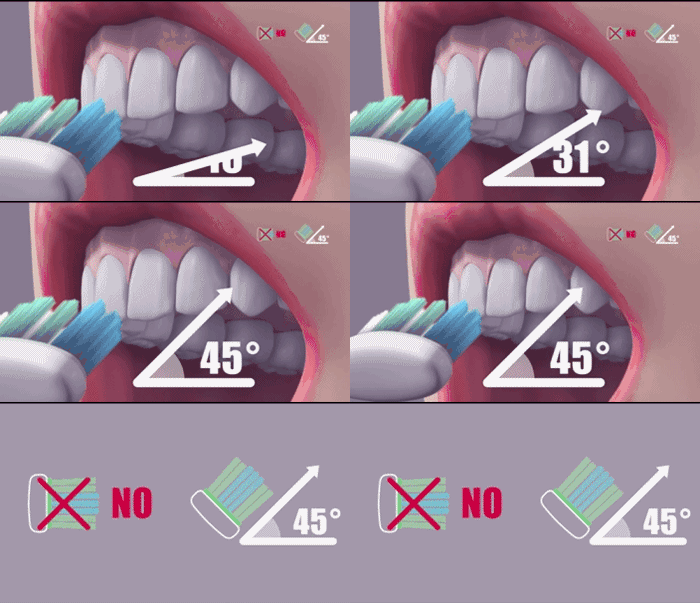
Brush thoroughly using the Bass brushing technique;
Floss and use water flossers properly to thoroughly clean around the implant;
Sustained peri-implant hygiene significantly extends the service life of dental implants.