
All parents share the same worry: when a child falls silent, they are almost certainly getting into mischief. Little Tongtong once snuck up to the fridge and ate fridge deodorizer while their parents were distracted.
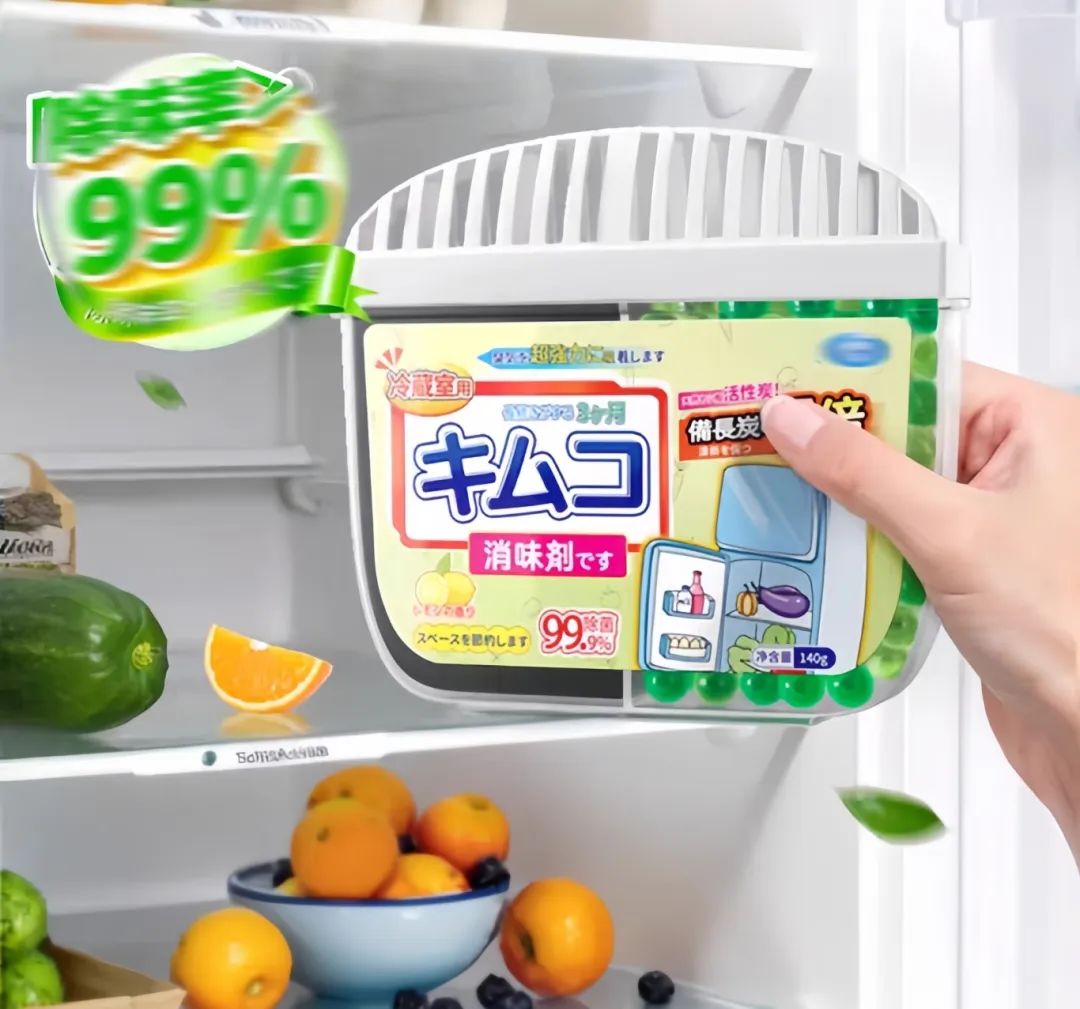
The brand shown in the picture has no relevance to the content.
Fortunately, the child received gastric lavage at hospital in time and is now out of life danger. Tongtong was among the lucky ones; numerous children have been admitted to the ICU for emergency rescue after swallowing dangerous toxic substances.
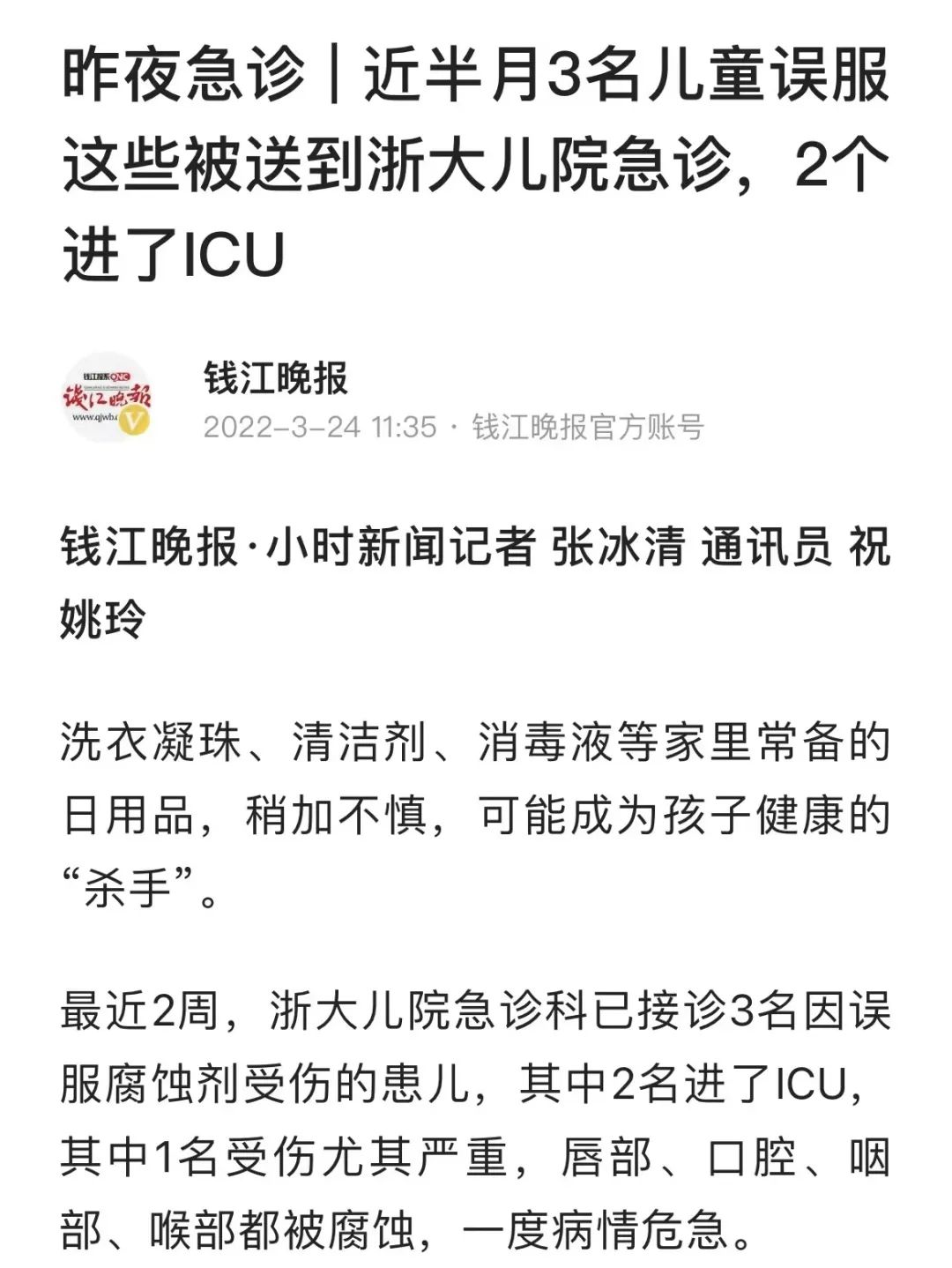
When a child accidentally ingests toxic substances, most parents instinctively try to induce vomiting or dilute the toxin with water. Yet such actions often cause secondary bodily injury and even endanger life.
A one-year-old toddler in Zhejiang mistook caustic soda flakes for sugar and ate an entire packet. The family made a seemingly intuitive but fatal mistake: giving the child water to flush out the toxin. Strong alkali generates intense heat upon contact with water, burning the digestive tract and putting the child in critical condition.
Therefore, parents must avoid blindly giving water or inducing vomiting when a child swallows foreign substances.
I. Two Scenarios Where Water Intake and Vomiting Induction Are Strictly Forbidden
Never force vomiting if the child loses consciousness after ingestion. Vomitus may be aspirated into the airway and trigger suffocation.
Dial emergency services immediately and rush the child to hospital.
2. Ingestion of corrosive substances
Cleaning agents such as drain cleaners, stain removers, laundry powder and bleach all carry corrosive properties. Inducing vomiting forces corrosive stomach contents to pass back through the esophagus, causing secondary esophageal damage.
Moreover, highly corrosive chemicals react violently with water and produce massive heat that burns the esophagus. Diluting with water at home is prohibited.
Key reminder: Neither drinking water nor vomiting induction is allowed for corrosive substance ingestion.

Forbidden measures do not mean no first aid. Targeted emergency interventions vary based on the ingested chemicals or medicines.
II. Household First Aid for Accidental Ingestion
1. Cleaning products (strong alkalis, strong acids, general corrosives)
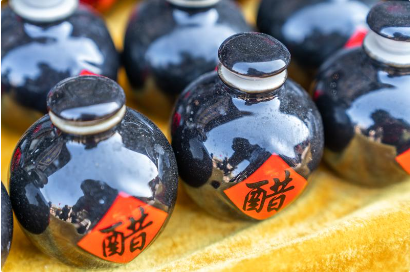
Strong alkaline products (hand soap, body wash, shampoo, caustic soda): Administer vinegar, lemon juice or orange juice to neutralize alkalinity, then transfer to hospital at once.
Strong acidic products (toilet cleaner, oxalic acid detergent): Give large amounts of pure milk or egg whites to reduce corrosive damage to the digestive tract before hospital admission.
Mild corrosive disinfectants (antiseptic liquid, iodophor): Offer starch-rich liquids such as rice soup or noodle broth to protect gastric mucosa, then seek urgent medical care.
2. Pesticides & insecticides (rat poison, cockroach killer, liquid mosquito repellent)
If the child remains fully conscious, induce vomiting, give plenty of milk or egg whites, and send to hospital without delay.
3. Miscellaneous common household items (mercury thermometers, desiccants)
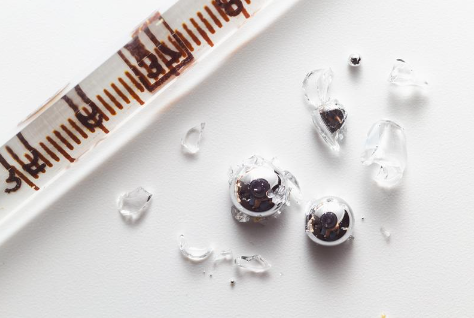
If mercury from a broken thermometer is swallowed: Rinse the mouth with clean water or induce vomiting immediately, then rush to hospital. Thoroughly clean spilled mercury to prevent inhalation of mercury vapor.
4. Medicines
Mild common medicines (vitamin drops, cough syrup, small accidental overdose): Let the child drink ample water to dilute the drug and accelerate excretion via urine, with close continuous observation.
High-toxicity / potent side-effect medicines (sleeping pills, hypoglycemic agents, antihypertensive drugs): Induce vomiting and transport to hospital urgently without delay.
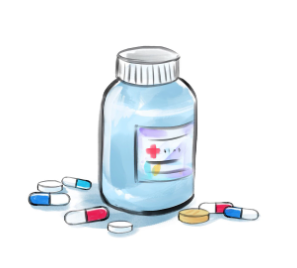
A critical tip before hospital transfer: Bring the original packaging and any leftover substance the child swallowed. This allows doctors to quickly identify chemical ingredients and save precious rescue time, which is decisive in life-threatening emergencies.
III. Preventive Measures Against Accidental Child Ingestion
1. Store detergents, medicines, cosmetics and similar items out of children’s reach.
2. Remove all toxic houseplants from the home.
3. Discard desiccants before opening snack packages, and repeatedly teach children that desiccants are inedible.
4. Never tell children that medicine tastes like candy, to avoid accidental overdose.
5. Do not store pesticides or dish soap in beverage bottles; do not keep pills, mosquito coils or disinfectant tablets inside cookie tins.
It is hoped you will never need the guidance in this article, yet every parent must master this vital knowledge.