
On the path to pursuing good health, people are paying more and more attention to intestinal health. In recent years, the terms probiotics, prebiotics and synbiotics have frequently come into view and become hot topics in the health field.
The dazzling array of probiotic-related preparations on the market often confuses people. So what exactly are probiotics, prebiotics and synbiotics? Though the names sound alike, they function differently. Today, let us clarify their definitions and characteristics.
Did you know?
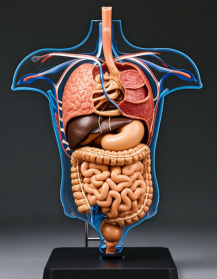
The human intestinal tract is like a tropical rainforest inhabited by abundant microorganisms, collectively referred to as intestinal flora. The intestinal flora at different intestinal segments and in people of different age groups maintains a delicate proportional balance. The quantity and species of these microbes form an intricate ecological equilibrium, just like a precisely operating life machine. Any disruption to this balance may trigger a chain reaction and impair physical health.
PART 01 What Are Probiotics, Prebiotics and Synbiotics?
Probiotics: Friendly Residents of the Intestines
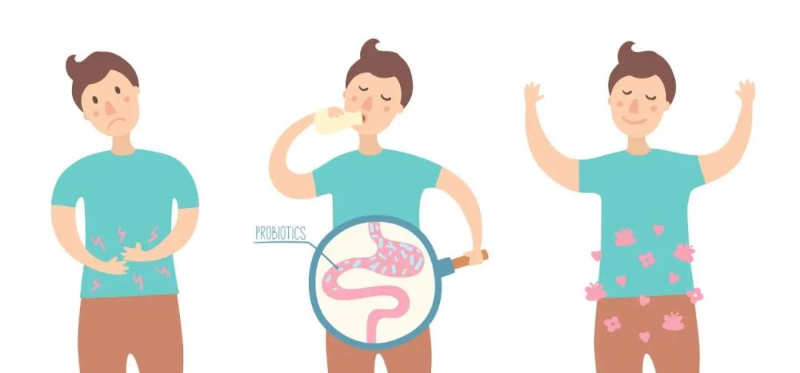
As the name suggests, probiotics are live microorganisms beneficial to the human body. They settle in the intestinal tract and are a general term for live beneficial microbes that deliver definite health benefits, regulate the host’s microecological balance and exert positive effects. Common probiotics include Bifidoacterium and Lactobacillus acidophilus, which carry multiple vital physiological functions.

Prebiotics: Exclusive Nutrients for Probiotics
Prebiotics are indigestible carbohydrates that serve as exclusive food for probiotics. As non-digestible food ingredients, they selectively stimulate the growth and activity of one or several bacterial colonies, produce favorable physiological effects on the host and improve physical conditions. Typical prebiotics include fructooligosaccharides and inulin.

Synbiotics: Powerful Combination of Probiotics and Prebiotics
Simply put, synbiotics are compound formulations combining probiotics and prebiotics that integrate the dual advantages of both components. Instead of a simple physical mixture, the prebiotics added in synbiotics must not only boost the proliferation of probiotics in the preparation but also facilitate the colonization and reproduction of probiotics in the intestines. In synbiotic products, prebiotics supply nutrients for probiotics, helping them colonize and multiply better in the gut so that probiotics can function sustainably.

PART 02 Which Type of Probiotics Do You Need?
Many people often wonder: "Why do probiotics fail to work for me? Prebiotics also show no obvious effects after intake." In fact, this situation requires reflection: are the probiotics you take truly suitable for your body?
First, different strains of probiotics exert unique effects. For example, Bifidobacterium helps relieve constipation and lactose intolerance, while Lactobacillus acidophilus mainly regulates intestinal immunity. Second, individual differences in native intestinal flora matter greatly. Everyone’s original flora structure varies, just like different soil environments. Third, administration methods affect efficacy. Most probiotic products contain live bacteria that require low-temperature storage; hot water will inactivate live strains during brewing.
Besides, sufficient intake duration is essential. Regulating intestinal flora is a gradual process. Continuous supplementation is required for probiotics to become dominant flora in the gut. Short-term intake may stop before the strains take effect, leading to unnoticeable improvements.
It is worth noting that the composition and proportion of Bifidobacterium in the human intestines shift with age. During childhood, Bifidobacterium infantis, Bifidobacterium bifidum and Bifidobacterium longum predominate. For young adults and the elderly, Bifidobacterium adolescentis and Bifidobacterium longum are the main strains. Aging, unhealthy diets and illnesses may drastically reduce the quantity and proportion of Bifidobacterium, which is harmful to health.
Therefore, intestinal flora adjustment is a gradual process. Patients of different ages and with different conditions need targeted probiotic strains. It is advisable to select appropriate bacterial strains under the guidance of doctors or pharmacists.
PART 03 When to Take Probiotics and When to Take Prebiotics?
After learning the properties and functional mechanisms of probiotics and prebiotics, people may wonder when to take each for optimal results.
Before choosing probiotic supplements, evaluate your gastrointestinal condition: chronic constipation, diarrhea or difficult defecation?
1. Diarrhea type
During acute diarrhea, severe imbalance of intestinal flora leads to massive reproduction of harmful bacteria, making supplementary beneficial bacteria urgently needed to restore microecological balance. Cold-chain preserved probiotic preparations are ideal choices. Maintaining maximum bacterial activity under low temperatures, they quickly compete against harmful bacteria after entering the body, inhibit the reproduction of pathogenic microbes and alleviate diarrhea.
2. Constipation type
People with chronic constipation usually suffer from slow intestinal peristalsis and insufficient native beneficial bacteria. In this case, prebiotics work better. Prebiotics provide abundant nutrients for inherent intestinal flora and stimulate their massive reproduction. Increased beneficial bacteria strengthen intestinal fermentation and generate more short-chain fatty acids, which enlarge and soften stool volume and boost intestinal peristalsis to ease constipation effectively.
3. Difficult defecation type
If neither probiotics nor prebiotics alone produce satisfactory effects for difficult defecation, synbiotic preparations are recommended. Synbiotics combine the merits of both ingredients: prebiotics create a favorable living environment and nutrients for probiotics and promote their intestinal colonization. Synbiotics comprehensively regulate intestinal microecology, enhance digestive and excretory functions and normalize bowel movements gradually.
Note: All relevant products shall be selected in accordance with medical advice.
PART 04 Common Misconceptions About Probiotic Preparations
Misconception 1: Brew with hot water
Many people brew probiotic granules with boiling water or hot tap water, which is incorrect. Most probiotic medicines are freeze-dried live bacterial preparations; excessively high water temperature kills large quantities of live bacteria and drastically reduces efficacy.
The water temperature for dissolving these medicines should not exceed 40°C. It is recommended to wait until water or milk cools to a lukewarm temperature before taking probiotics.

Misconception 2: Take with antibacterial drugs during diarrhea
Some diarrhea cases are caused by intestinal flora disturbance, for which doctors may prescribe live Bacillus licheniformis capsules for conditioning. However, some patients independently take norfloxacin or cephalosporin antibiotics together with probiotics, resulting in prolonged diarrhea and false suspicion of inappropriate prescriptions.
In fact, antibacterial drugs such as norfloxacin inhibit or even kill probiotics, reducing combined efficacy. Concurrent use is forbidden. If antibiotics are medically necessary, separate the two medications by an interval of 3 hours.

Misconception 3: Take together with bismuth agents
People with indigestion sometimes take probiotic medicines alongside bismuth pectin and other bismuth preparations. However, bismuth agents, tannin-containing products such as tannalbin, medicinal charcoal and tinctures like belladonna tincture adsorb live bacteria and weaken probiotic efficacy, so simultaneous administration should be avoided.
Misconception 4: Take probiotics at any time
Some believe taking probiotics on an empty stomach after waking up improves absorption due to empty intestines. This logic is flawed: abundant gastric acid secreted on an empty stomach may inactivate probiotic strains. The recommended intake time is about half an hour after meals, when gastric acid is neutralized by food, allowing probiotics to reach the intestines smoothly and function properly.
Disclaimer: Some pictures in this article are sourced online for public welfare promotion. Gratitude is extended to all image authors. Contact us for removal if copyright infringement occurs.