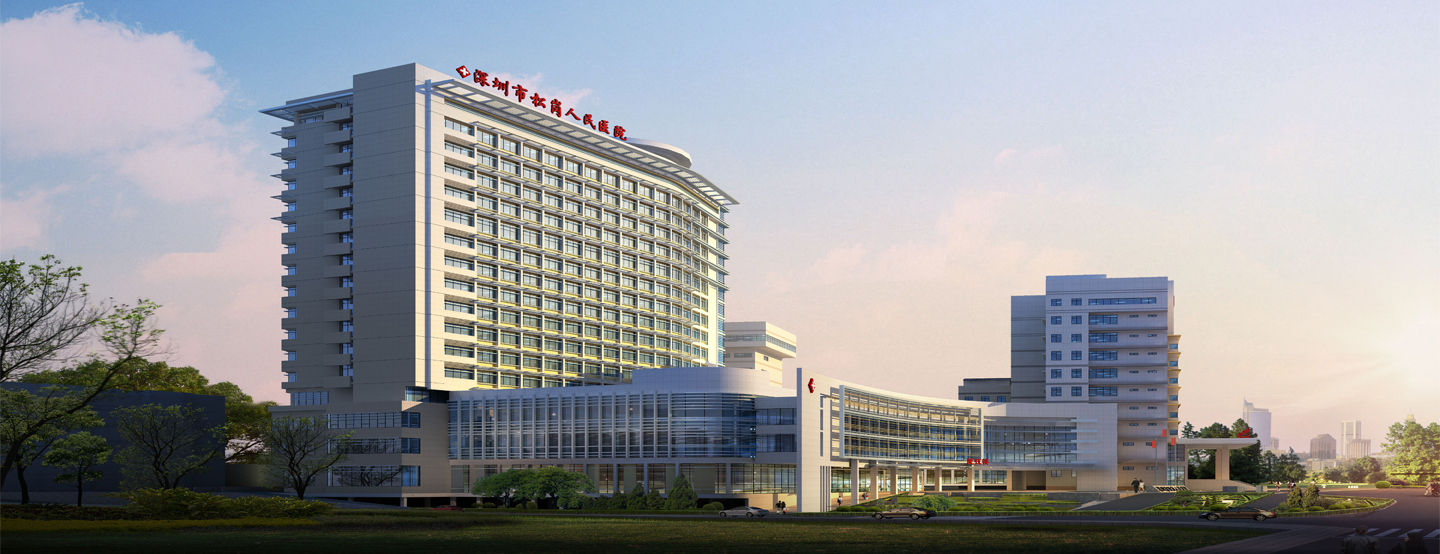
Founded on January 11, 2011, the Neonatology Dept of Shenzhen Bao'an District Songgang People's Hospital is a key tertiary hospital neonatal internal medicine integrating clinical care, teaching and scientific research. The department is equipped with 26 intensive care beds, and recorded 4,235 outpatient visits in 2025 with robust comprehensive clinical capacity and prominent regional influence.
The department boasts a well-structured, highly skilled professional medical and nursing team consisting of 8 physicians and 26 nurses. The physician team includes 1 chief physician, 5 associate chief physicians and 2 attending physicians, with 1 PhD holder and 2 master’s degree holders. The nursing team comprises 2 associate chief nurses and 14 senior nurses, including dedicated hyperbaric oxygen nursing staff and multiple specialist nurses certified in child healthcare, neonatology and clinical teaching, all with complete professional credentials and abundant clinical experience.
Covering a wide spectrum of neonatal disorders, the department specializes in the diagnosis and treatment of all critical neonatal illnesses and common pediatric health conditions. It excels in rescuing extremely low birth weight infants and extremely preterm infants born at 26 weeks gestation; a newborn weighing merely 600 grams has been successfully treated. The survival rate of extremely preterm infants exceeds 98% without neurological sequelae. The department routinely manages critical conditions such as neonatal respiratory distress syndrome, neonatal jaundice requiring exchange transfusion, sepsis and meconium aspiration syndrome, while providing standardized care for pediatric allergies, nutritional disorders, respiratory and digestive tract malformations, and neurodevelopmental abnormalities. Over 1,000 neonates are admitted annually, 95% of whom are critically ill, with an average length of stay of 7.2 days. Its clinical efficiency and treatment quality rank among the top in the region.
The department is fully furnished with cutting-edge medical equipment, including core life-support devices such as ECMO, high-frequency oscillatory ventilators and neonatal fiberoptic bronchoscopes, together with precise evaluation tools like cerebral function monitors, amplitude-integrated electroencephalography, bedside ultrasound and X-ray machines to enable real-time dynamic monitoring of vital signs and organ function in critically ill newborns. Twelve innovative clinical technologies have been launched in the past three years, and relevant research outcomes have been published in core journals including Chinese Journal of Neonatology.
The department devotes intensive efforts to research and teaching. It has completed one Guangdong Provincial education reform project and one provincial project for the promotion of appropriate medical technologies, finished more than 10 district-level research projects, and published numerous SCI and core journal papers with a total impact factor exceeding 10. The medical and nursing team has obtained 4 utility model patents. More than 30 undergraduate intern physicians are trained each year. The department has hosted provincial-level training courses on critical neonatal care for seven consecutive years and won the second prize in the Shenzhen Neonatal Resuscitation Skills Competition.
In terms of clinical services, the department delivers humanistic specialized nursing, with offline specialist nursing clinics and online nursing consultation services covering critical neonatal care, home-based nursing and child health counseling. Leveraging a multidisciplinary collaboration model, the department carries out comprehensive interventions for high-risk infants and establishes a full-cycle growth tracking system covering infants from birth to three years old. Standardized follow-up visits, neurodevelopmental assessments and early intervention programs effectively reduce the incidence of long-term complications, achieving a patient satisfaction rate of 99%.
In the future, the department will focus on two core development directions: critical care for extremely preterm infants and child healthcare. It will continuously optimize the developmental assessment system for children aged 0–3 and the life support system for preterm infants, striving to build a specialized, standardized and refined featured discipline integrating neonatal treatment and child healthcare.