Want to master a neurological physical examination within 10 seconds?
Want to grasp the early identification of posterior circulation stroke via one sentence and one simple movement?
Want to develop evidence-based medical thinking?
This training session covers all the above contents.

From April 17 to 18, 2024, the 6th Global Ministerial Summit on Patient Safety was held in Santiago, the capital of Chile. At the summit, the World Health Organization released the first Charter on Patient Rights for Patient Safety. As the first charter outlining patient rights in the context of medical safety, it supports stakeholders in formulating necessary laws, policies and guidelines to guarantee patient safety.
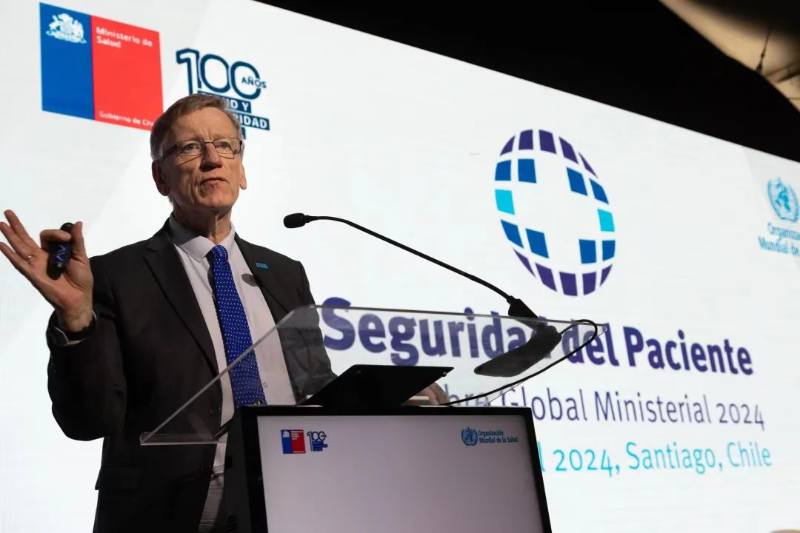
▲ Dr. Rudi Eggers, Director of the Integrated Health Services Department of WHO, interpreted the Charter on Patient Rights for Patient Safety at the summit
Acute posterior circulation ischemic stroke has a high incidence, accounting for 20% to 25% of all ischemic strokes. Lacking typical clinical manifestations, it is hard to identify at an early stage and difficult to diagnose, generally resulting in poor treatment outcomes. It serves as a major cause of disability and death among stroke patients.
Against this backdrop, to deepen medical staff’s understanding of acute posterior circulation ischemic stroke, improve their capacity for early identification and emergency management, and safeguard patients’ lives, our hospital held the Shenzhen Continuing Education Program — Training Course on Early Identification of Acute Posterior Circulation Ischemic Stroke in the lecture hall of Building 3 on April 26.
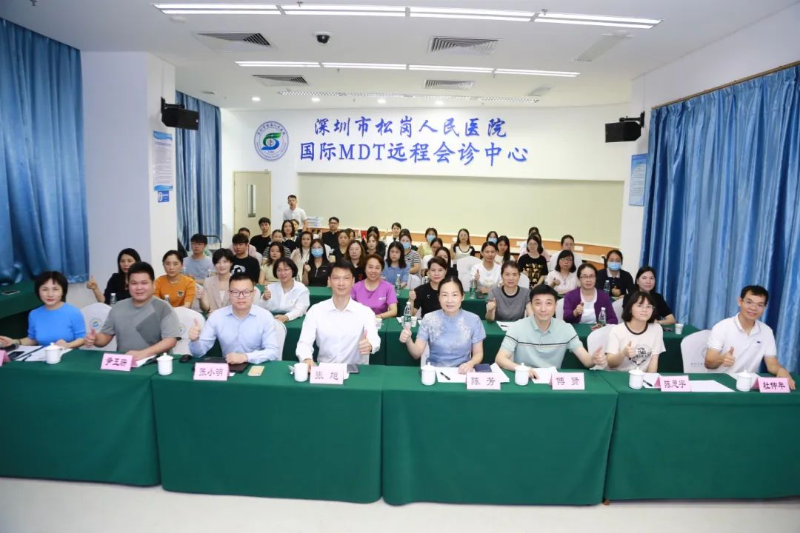
Dozens of medical and nursing staff from the Emergency Department, Neurology and stroke-related specialties inside and outside the hospital attended the training.
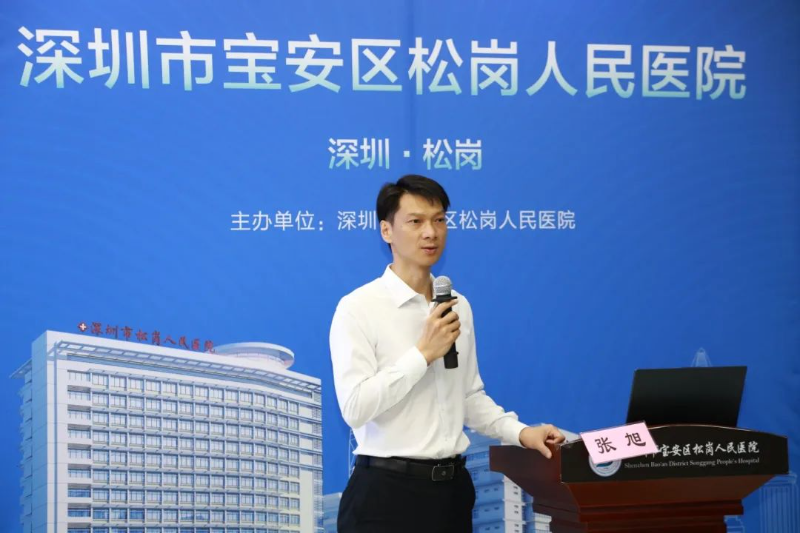
President Zhang Xu attended the opening ceremony and delivered a speech. He stressed the indispensable role of nursing staff in hospital development. As a severe cerebrovascular disease, posterior circulation ischemic stroke poses great threats, making professional training for medical personnel highly necessary. He reaffirmed that prioritizing patient safety and minimizing injury risks should be the core of daily work, so as to deliver high-quality and safe medical services for patients.
Invited lecturers included Head Nurse Yin Yushan from the Department of Neurology, the Second Affiliated Hospital of Guangzhou Medical University, Dr. Zhang Xiaoming from the Emergency Department of Bao'an People's Hospital, Director Fu Xian of the Neurology Department of our hospital, Director Chen Fang of the Nursing Department, Head Nurse Luo Cuifang of the Emergency Department and many other professional backbones.
Centered on the early identification of emergency posterior circulation ischemic stroke, experts delivered lectures including Roles of Stroke Nurses in Stroke Center Construction, Scientific Research Practice for Emergency Nurses, Expert Consensus on Early Identification of Acute Posterior Circulation Ischemic Stroke, Humanistic Care in Emergency Nursing, Evidence-based Practice of Triage Assessment Cards for Posterior Circulation Ischemic Stroke, Physical Examinations for Patients with Posterior Circulation Ischemic Stroke, and Quality Control Circle Report for Emergency Department. The training covered comprehensive content combining solid theoretical knowledge and easy-to-learn practical clinical experience, including risk screening of stroke patients, early identification skills, standardized physical examinations, emergency humanistic care, application of assessment cards and quality control circles, as well as innovative clinical protocols.
During on-site teaching, simulated consultation scenarios of stroke patients were set up. Experts demonstrated detailed physical examinations on trainee volunteers acting as patients and shared key examination skills, making the lectures vivid and intuitive.
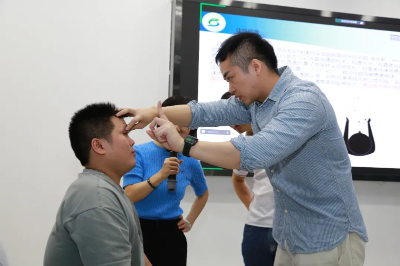
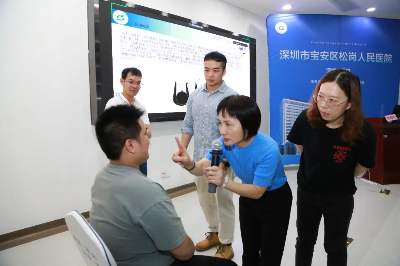
After the lectures, experts carried out in-depth academic exchanges on the training theme to help participants digest the knowledge. Experts and trainees held interactive discussions and shared clinical experience and insights, creating a lively atmosphere with thorough Q&A and in-depth exchanges.
This training built an exchange platform for medical staff of our hospital and external specialists in related disciplines. In the future, the hospital will adhere to the patient-centered service philosophy, further advance stroke prevention and treatment, upgrade multidisciplinary comprehensive treatment capacity, and provide more professional, high-quality and safe medical services for patients.